


Fluidizing disc
Other Products


Basic Introduction to Fluidization Panels
The following is a comparative analysis between fluidization panels (multi-layer sintered metal wire mesh fluidization plates) and traditional metal woven wire mesh, highlighting their core differences and performance advantages:
;1. Structural Design Comparison Characteristics Traditional Metal Woven Wire Mesh Fluidization Panel (Sintered Multi-Layer Wire Mesh) Structural Form Single or multiple layers simply stacked Multi-layer wire mesh precisely laminated and sintered at high temperature Pore Morphology Mesh prone to deformation, irregular shape Fixed cross-shaped gaps (e.g., 0.5mm gap × 20mm length) Edge Treatment No special treatment Chamfer design (1×45°), optimizing airflow direction Integrity Layers prone to shifting, poor integrity Integrated sintering, layers firmly bonded
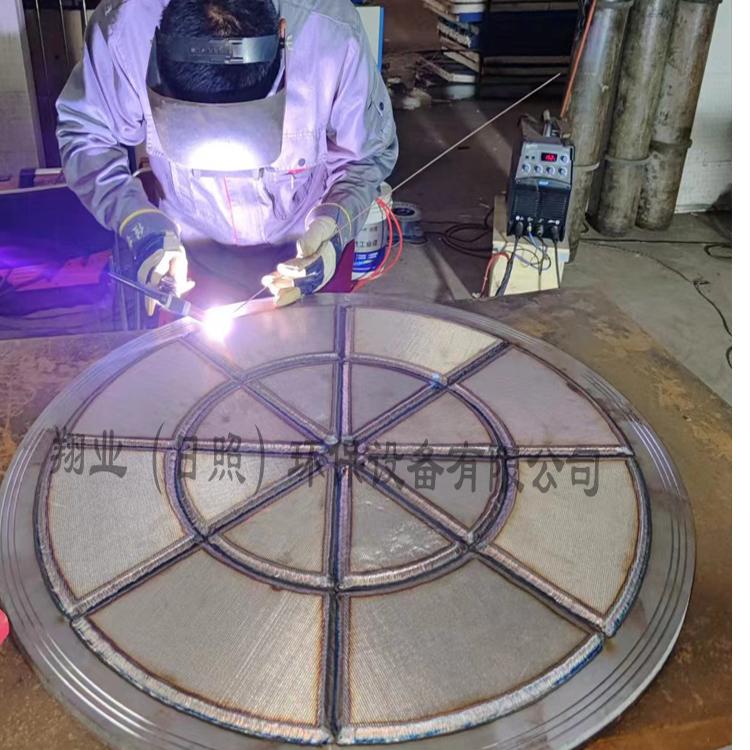
Fluidization panels are manufactured using multi-layer metal woven wire mesh as raw material, through specialized lamination design, composite pressing, and vacuum (or protective atmosphere) sintering processes. They retain the simple pore structure and uniform mesh size characteristics of ordinary metal woven wire mesh while overcoming its shortcomings such as low strength, poor integrity, and unstable mesh shape. Additionally, they allow flexible matching and design of material pore size, permeability, and mechanical strength, resulting in excellent overall performance.
3. Differences in Application Effects Fluidization Uniformity: Traditional wire mesh: Coal powder prone to local accumulation, insufficient fluidization. Fluidization panel: Cross-shaped gap layout + chamfer design → concentrated airflow → uniform coal powder suspension (blowing stability ↑30%). Maintenance Cost: Traditional wire mesh: Difficult to clean after clogging, high replacement frequency. Fluidization panel: Smooth channels + no blind holes → convenient backwash regeneration (lifespan extended 2-3 times). Extreme Condition Adaptability: Traditional wire mesh: Prone to oxidation and embrittlement at high temperatures, susceptible to failure in corrosive environments. Fluidization panel: Sintered layers enhance thermal shock resistance + Ti element provides corrosion resistance (suitable for gasifier environments >800°C).
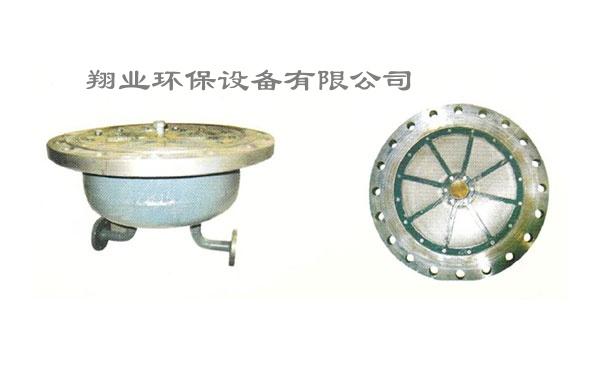
| Industry Category | Others |
|---|---|
| Product Category | |
| Brand: | 翔业环保 |
| Spec: | DN860 |
| Stock: | 1000 |
| Manufacturer: | 翔业环保设备有限公司 |
| Origin: | 113711 |


